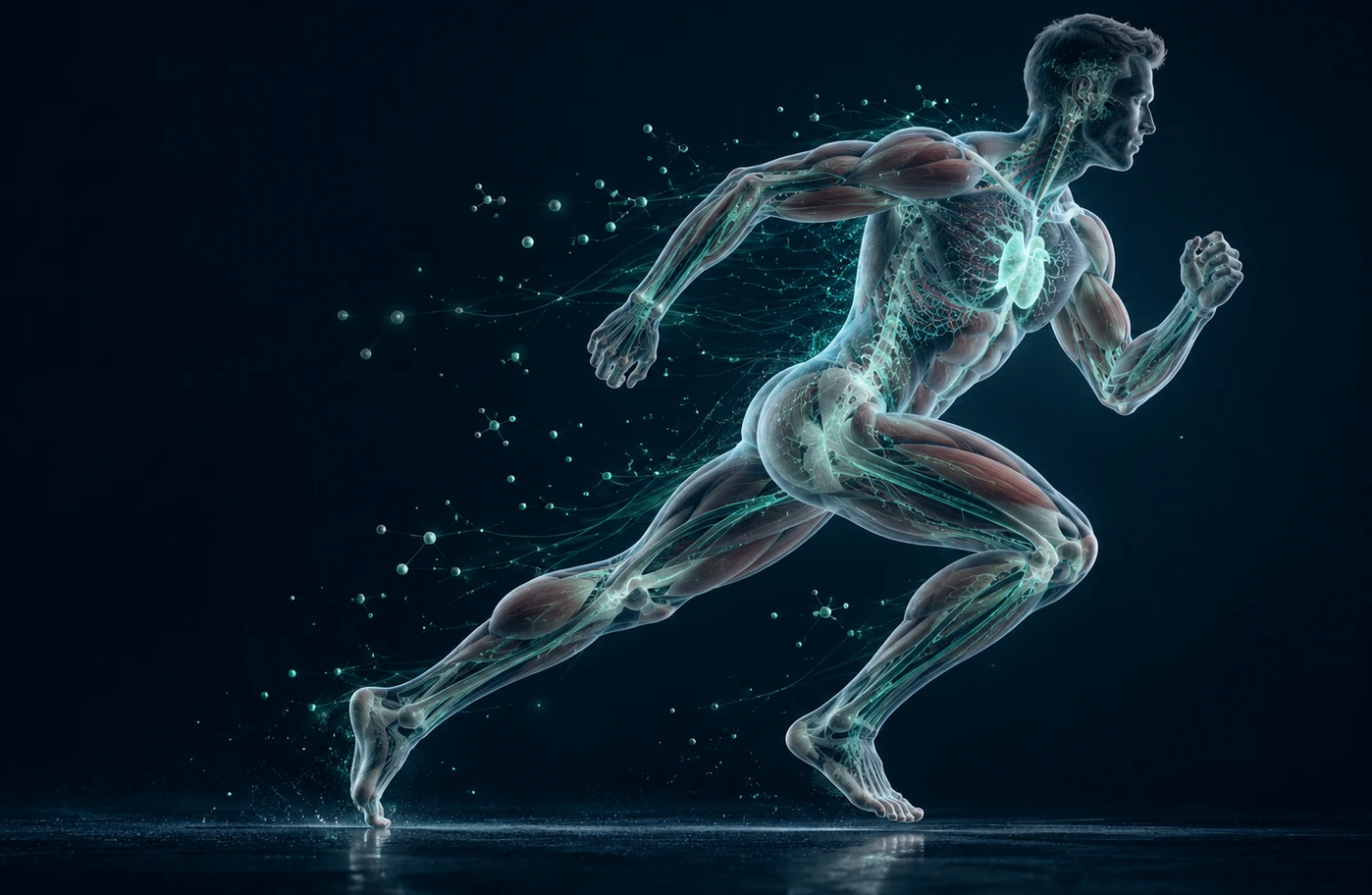
Research from Stanford Medicine study details molecular effects of exercise
A large study led in part by Stanford Medicine mapped how exercise changes the body at the molecular level, organ by organ. Here's what it found

Research different options to find the right pediatrician
Amet mauris lectus a facilisi elementum ornare id sed sed aliquet dolor elementum magnis quisque id ultrices viverra cursus nunc odio in egestas consectetur cras consequat sodales netus pretium feugiat nulla semper senectus bibendum ornare sit adipiscing ut atid viverra donec nunc, donec pulvinar enim ac habitasse fermentum amet praesent atac elementum id sed nibh diam ultrices nibh enim volutpat varius et est sed vestibulum neque.
- Neque sodales ut etiam sit amet nisl purus non tellus orci ac auctor
- Adipiscing elit ut aliquam purus sit amet viverra suspendisse potent
- Mauris commodo quis imperdiet massa tincidunt nunc pulvinar
- Excepteur sint occaecat cupidatat non proident sunt in culpa qui officia
Check credentials and licensing
Lorem ipsum dolor sit amet, consectetur adipiscing elit, sed do eiusmod tempor incididunt ut labore et dolore magna aliqua. Ut enim ad minim veniam, quis nostrud exercitation ullamco laboris nisi ut aliquip ex ea commodo consequat.
Vitae congue eu consequat ac felis placerat vestibulum lectus mauris ultrices cursus sit amet dictum sit amet justo donec enim diam porttitor lacus luctus accumsan tortor posuere praesent tristique magna sit amet purus gravida quis blandit turpis.

Ask friends and family for recommendations
Ornare sit adipiscing ut atid viverra donec nunc, donec pulvinar enim ac habitasse fermentum amet nunc praesent atac elementum id sed nibh diam ultrices nibh enim volutpat varius et est sed vestibulum neque.
Amet mauris lectus a facilisi elementum ornare id sed sed aliquet dolor elementum magnis quisque id ultrices viverra cursus nunc odio in egestas consectetur cras consequat sodales netus pretium feugiat nulla semper senectus bibendum.
“Duis aute irure dolor in reprehenderit in voluptate velit esse cillum dolore eu fugiat nulla pariatur excepteur sint occaecat cupidatat non proident, sunt in culpa qui offi.”
Look for experience in treating your child's age
Duis aute irure dolor in reprehenderit in voluptate velit esse cillum dolore eu fugiat nulla pariatur. Excepteur sint occaecat cupidatat non proident, sunt in culpa qui officia deserunt mollit anim id est laborum.
- Neque sodales ut etiam sit amet nisl purus non tellus orci ac auctor
- Adipiscing elit ut aliquam purus sit amet viverra suspendisse potenti
- Mauris commodo quis imperdiet massa tincidunt nunc pulvinar
- Adipiscing elit ut aliquam purus sit amet viverra suspendisse potenti
Consider location and availability
Duis aute irure dolor in reprehenderit in voluptate velit esse cillum dolore eu fugiat nulla pariatur excepteur sint occaecat cupidatat non proident, sunt in culpa qui officia deserunt mollit anim id est laborum.
Lorem ipsum dolor sit amet, consectetur adipiscing elit, sed do eiusmod tempor incididunt ut labore et dolore magna aliqua. Ut enim ad minim veniam, quis nostrud exercitation ullamco laboris nisi ut aliquip ex ea commodo consequat.
Why this study matters
Most of us already know that exercise is good for us. It strengthens the heart, helps control weight, lifts mood and lowers the risk of many chronic diseases. What scientists have understood much less is why. What actually happens inside the body, down to the level of genes, proteins and cells, when we move regularly?
A national research effort called the Molecular Transducers of Physical Activity Consortium, or MoTrPAC, set out to answer that question. Funded by the National Institutes of Health and launched in 2015, the project brings together researchers from Stanford Medicine and many other institutions. In 2024, the group published its first major results in the journal Nature, offering one of the most detailed pictures yet of how exercise affects the whole body.
What the researchers did
The first phase of the study was done in laboratory rats, which allowed researchers to examine organs and tissues that would be impossible to sample in people. Male and female rats ran on small treadmills for one, two, four or eight weeks, with their workouts gradually getting longer and harder. Their results were compared with those of rats that did not exercise.
The team then analyzed 19 different organs and tissues, including the heart, lungs, liver, muscles, fat, blood, kidneys and brain. For each one, they measured a wide range of molecular changes: which genes were turned on or off, which proteins and fats increased or decreased, how energy was being used and how the immune system responded. In total, the project produced millions of individual measurements, creating a kind of molecular map of exercise.
What they found
The biggest takeaway was simple: exercise affects nearly every part of the body, not just the muscles and heart.
- Changes appeared in every tissue studied. Thousands of molecular changes were found across the organs, some shared by many tissues and others unique to a single one.
- The immune system responded strongly. Many changes were related to immunity and inflammation, which may help explain why active people tend to have lower rates of certain chronic diseases.
- Energy use shifted. Exercise changed how tissues produce and use energy, including activity in the mitochondria, the tiny structures that power our cells.
- The liver and stress responses were affected. Training changed how the liver handles fats and sugars and how tissues respond to stress, both of which are linked to conditions like fatty liver disease and diabetes.
- Males and females responded differently. In several organs, the changes were not the same for male and female animals, a reminder that the effects of exercise can depend on sex.
"Exercise isn't just good for your muscles. It sends signals that reach almost every organ in the body."
What it means for people
This research was done in rats, so it doesn't provide new exercise rules for humans. What it does is give scientists a detailed starting point for understanding how physical activity protects health and why it helps with so many different conditions.
The MoTrPAC team has already begun the next stage: studies in people of different ages, backgrounds and fitness levels, looking at both endurance exercise, like walking or cycling, and strength training. Over time, this work could help doctors recommend exercise more precisely, the way they prescribe medicine, and may even point to new treatments for people who are unable to exercise.
Putting it into practice
You don't need to wait for more research to benefit from what's already well established. Current guidelines recommend that adults aim for:
- About 150 minutes of moderate activity each week, such as brisk walking, dancing or cycling at an easy pace. That's roughly 30 minutes a day, five days a week.
- Muscle-strengthening activities at least two days a week, such as bodyweight exercises, resistance bands or carrying groceries.
- Less sitting throughout the day. Even short breaks to stand, stretch or walk can help.
If you're just starting out, begin with a few minutes and build up gradually. Choose activities you enjoy and can fit into your normal routine, because consistency matters more than intensity. If you have a health condition or haven't been active in a long time, check with a doctor before starting something new.
The bottom line
This study confirms, at the most detailed level yet, what people have long sensed: regular movement changes the body from the inside out. Every walk, bike ride or trip up the stairs sends signals that reach your heart, liver, immune system and beyond.
If you're looking for a doctor, a community fitness program or other health resources near you, local clinics and organizations across San Joaquin County can help you take the next step.
This article is for general information only and is not a substitute for advice from a doctor or other health professional.

A free, independent resource helping San Joaquin County residents find local health and community support.
Subscribe to our weekly newsletter
Get practical health insights, wellness tips and useful updates on the topics that matter to everyday life — delivered to your inbox.